
One of the most common questions small business owners ask is, “How much should I actually spend on marketing?” The answer is not the same for every business, but one thing is certain. Marketing should be viewed as an investment, not simply another business expense.
Spending too little can make it difficult to generate consistent enquiries, while spending without a clear strategy can quickly waste valuable resources. Finding the right balance is the key to sustainable business growth.
Start With Your Business Goals
Before deciding on a budget, think about what you want your marketing to achieve. Are you trying to increase brand awareness, attract more local customers or launch a new product or service?
Businesses focused on rapid growth will usually need to invest more than those simply maintaining their current customer base. Having clear objectives makes it much easier to decide where your marketing budget should be allocated.
What Is a Typical Marketing Budget?
While every business is different, many marketing professionals recommend investing around 7 to 10 per cent of annual revenue into marketing if your goal is steady growth. Start ups or businesses entering competitive markets may choose to invest more, while established companies with stable customer bases may spend slightly less.
The percentage itself is less important than ensuring your budget is realistic, sustainable and measured against results.
Focus on the Right Channels
A modest budget can still deliver excellent results when it is invested wisely. Rather than trying to be active everywhere, concentrate on the channels that are most likely to reach your target audience.
For many small businesses, a combination of search engine optimisation, social media, email marketing and valuable website content creates a strong foundation. These channels work together to increase visibility, build trust and generate enquiries over the long term.
Measure Every Pound You Spend
One of the biggest mistakes small businesses make is investing in marketing without tracking performance.
Review your website traffic, enquiries, conversions and social media engagement regularly. These insights will show you which activities are delivering results and where your budget could be better spent. Small improvements based on real data often produce far better returns than simply increasing your spending.
Think Long Term
Marketing rarely produces overnight success. Building trust, improving search rankings and growing an engaged audience all take time.
Consistency is often more valuable than a large one off investment. A realistic monthly budget that supports regular activity usually delivers stronger long term results than occasional bursts of marketing followed by long periods of inactivity.
Invest Where It Matters Most
If your budget is limited, focus first on creating a professional website, improving your visibility in search engines and maintaining a consistent social media presence. These assets continue working for your business long after they have been created.
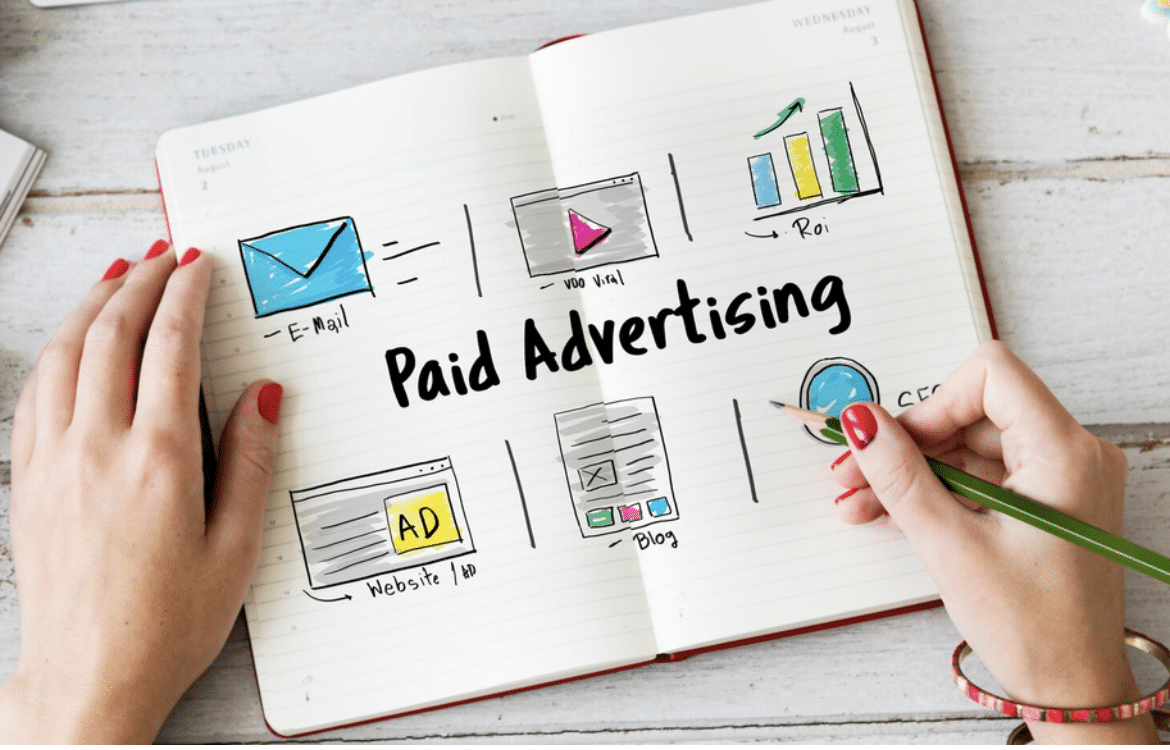
As your business grows, you can gradually expand into additional activities such as paid advertising, video marketing or more advanced automation. The goal is not to spend the most money, but to spend it in the right places.
If you are unsure where to begin, working with an experienced social media company Hemel Hempstead can help you build a marketing strategy that fits both your goals and your budget.
Ready to make every marketing pound work harder? Visit Social Buzzing to discover how a tailored digital marketing strategy can help your business attract more customers and achieve sustainable growth.